How to Get Your B2B SaaS Cited by ChatGPT, Claude, and Perplexity (Platform-by-Platform)
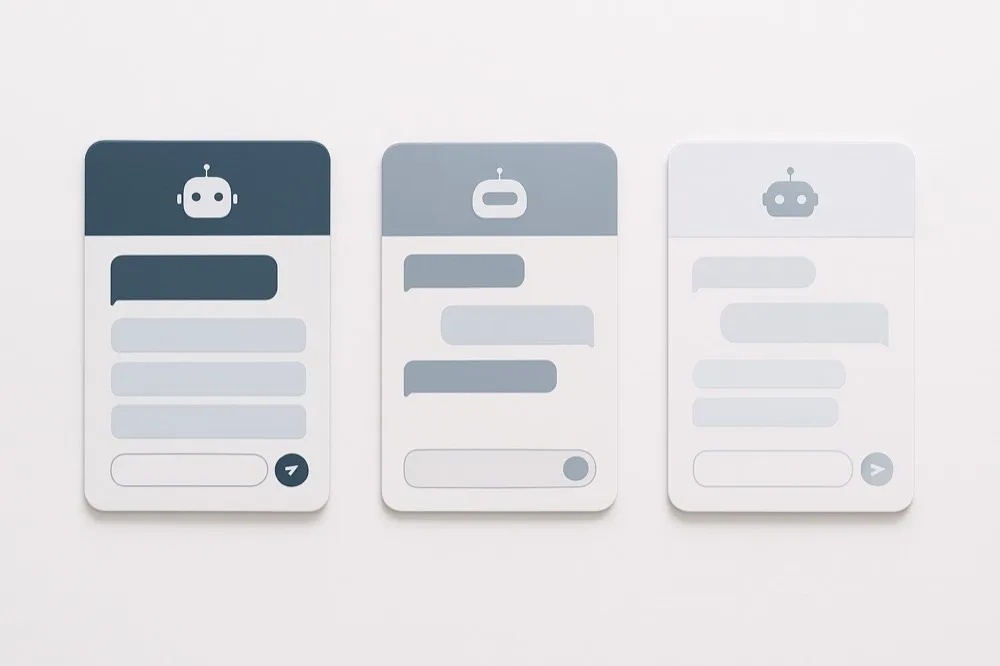
The AI Buyer Research Reality
94% of B2B buyers now use AI search during vendor research. (Forrester, 2025)
That's not a trend. That's where your buyers already are.
The problem? Most B2B SaaS companies are writing content for Google. They're not structuring it for ChatGPT, Claude, or Perplexity. These are different platforms with different citation logic.
Getting cited by all three requires a platform-aware strategy. Here's what each one actually rewards.
ChatGPT: Training Data and Brand Entity Signals
ChatGPT's base models are trained on a large web corpus. For B2B SaaS, this means your brand's presence in that training data matters.
ChatGPT is more likely to cite brands that:
- Appear in third-party reviews and comparison articles (G2, Capterra, comparison blogs)
- Are mentioned across multiple authoritative domains, not just their own site
- Have a clear entity signal: a consistent brand name, category, and use case across all web mentions
What this means for your content strategy:
Prioritize getting your brand mentioned off your own site. Guest posts, podcast appearances, PR placements, and product reviews all contribute to your entity footprint in training data.
On your own site, every page should clearly name your product, your category, and the specific problem you solve. Vague "we help teams do more" positioning doesn't build entity signals.
Perplexity: Real-Time Web Search and Direct Answers
Perplexity is different from ChatGPT. It pulls from live web results, not a static training corpus.
This means Perplexity rewards content that is:
- Currently indexed and ranking for relevant queries
- Structured to answer questions directly (H2s phrased as questions, concise paragraph answers)
- Published on sites with strong domain authority in your category
Perplexity's citation model favors content that leads with the answer. Long introductory paragraphs before the key point hurt your chances of being cited.
An Ahrefs analysis found only 12% overlap between AI-generated answers and traditional organic search results across 15,000 queries. So ranking on Google doesn't guarantee Perplexity visibility. You need content specifically structured for Perplexity's extraction model.
What this means for your content strategy:
Restructure every piece of content so the key answer appears in the first 2-3 sentences of each section. Use H2 and H3 headers phrased as questions. Keep paragraphs to 3 sentences or fewer.
Claude: Authoritative Sources and Structured Information
Claude (Anthropic) prioritizes structured, authoritative content. It performs well at synthesizing information across multiple sources, so it tends to cite brands that appear in multiple credible contexts.
Claude is more likely to cite B2B SaaS brands that:
- Have FAQ sections with direct, structured answers
- Appear in industry publications and authoritative comparison pieces
- Include proper schema markup (Article JSON-LD, FAQ schema) on key pages
- Present clear, factual claims that can be verified and attributed
Claude also tends to be conservative. It won't cite a brand based on self-promotional content. Third-party validation matters here more than on other platforms.
What this means for your content strategy:
Build a FAQ section into every key landing page and blog post. Use FAQ schema markup. Focus on getting cited in industry publications, not just on your own blog. Every factual claim should cite a source.
The Unified Framework: Structure, Distribute, Validate
Across all three platforms, the underlying logic is the same.
Structure: Write content that leads with direct answers. Short paragraphs. Question-phrased headers. Clear entity signals throughout.
Distribute: Get your brand mentioned off your own site. Reviews, comparison pieces, guest posts, PR. Off-site mentions build the entity footprint that AI models use to identify and trust your brand.
Validate: Add schema markup to your key pages. Include FAQ sections. Cite your sources. AI models extract and attribute information. Make it easy for them to attribute it to you.
Where to Start
Run a manual test first. Ask ChatGPT, Claude, and Perplexity separately: "What are the best tools for [your category]?"
Note where your brand appears. Note where competitors appear that you don't.
That gap is your content roadmap.
CiteEngine offers a free AI Visibility Audit that does this systematically. We test your brand across all major AI platforms, show you where you appear and where you don't, and map the specific content changes that will close the gap.
Start your free AI Visibility Audit at www.citeengine.com.

Frequently Asked Questions
How do I get my B2B SaaS cited by ChatGPT?
To get cited by ChatGPT, build your brand's entity footprint across third-party sites. ChatGPT's training data includes reviews, comparison articles, and mentions across authoritative domains. Appearing consistently in G2, Capterra, and industry comparison pieces signals to ChatGPT that your brand is a credible category player. Your own site should also consistently name your product, category, and use case on every page.
How is Perplexity different from ChatGPT when it comes to citations?
Perplexity uses live web search to generate answers, while ChatGPT relies on training data. This means Perplexity can cite content published today, but it strongly favors content that leads with the direct answer. If your content buries the key point in long introductory paragraphs, Perplexity is unlikely to cite it. Restructure content so each section starts with a direct, quotable answer.
What type of content does Claude cite most often?
Claude favors authoritative, structured content with clear factual claims. FAQ sections with direct answers are particularly effective, especially when paired with FAQ schema markup. Claude also weights third-party sources over self-promotional content, so appearing in industry publications and review sites matters significantly for Claude visibility.
Does schema markup help with AI citations?
Yes, particularly for Claude and Google AI Overviews. Article JSON-LD and FAQ schema help AI models identify the structure and purpose of your content. While schema alone won't guarantee a citation, it makes your content easier for AI models to parse, extract, and attribute correctly.
How long does it take to start getting cited by AI platforms?
Most B2B SaaS companies see their first AI citations within 4-8 weeks of implementing a structured content strategy. The timeline depends on how consistently you publish, how much off-site authority your brand has, and whether your existing content is already indexed. An AI Visibility Audit is the fastest way to know your starting point.
Published by CiteEngine. We help B2B SaaS companies get cited by ChatGPT, Claude, Perplexity, and Google AI Overviews. Start with a free AI Visibility Audit at www.citeengine.com.
Want AI to recommend your brand?
Get a free AI visibility audit: where you show up in ChatGPT, Claude and Perplexity today, and where your competitors do. No calls required.